Quis autem vel eum iure reprehenderit qui in ea voluptate velit esse quam nihil molestiae nulla consequatur, vel illum qui dolorem eum fugiat quo voluptas pariatur iste natus error voluptatem accusantium doloremque laudantium.
- Pzt - Cts: 08:00 - 18:00
- info@ersatel.com

Customer Service
+90 258 268 51 53
+90 258 268 51 53


Rebar

Rebar
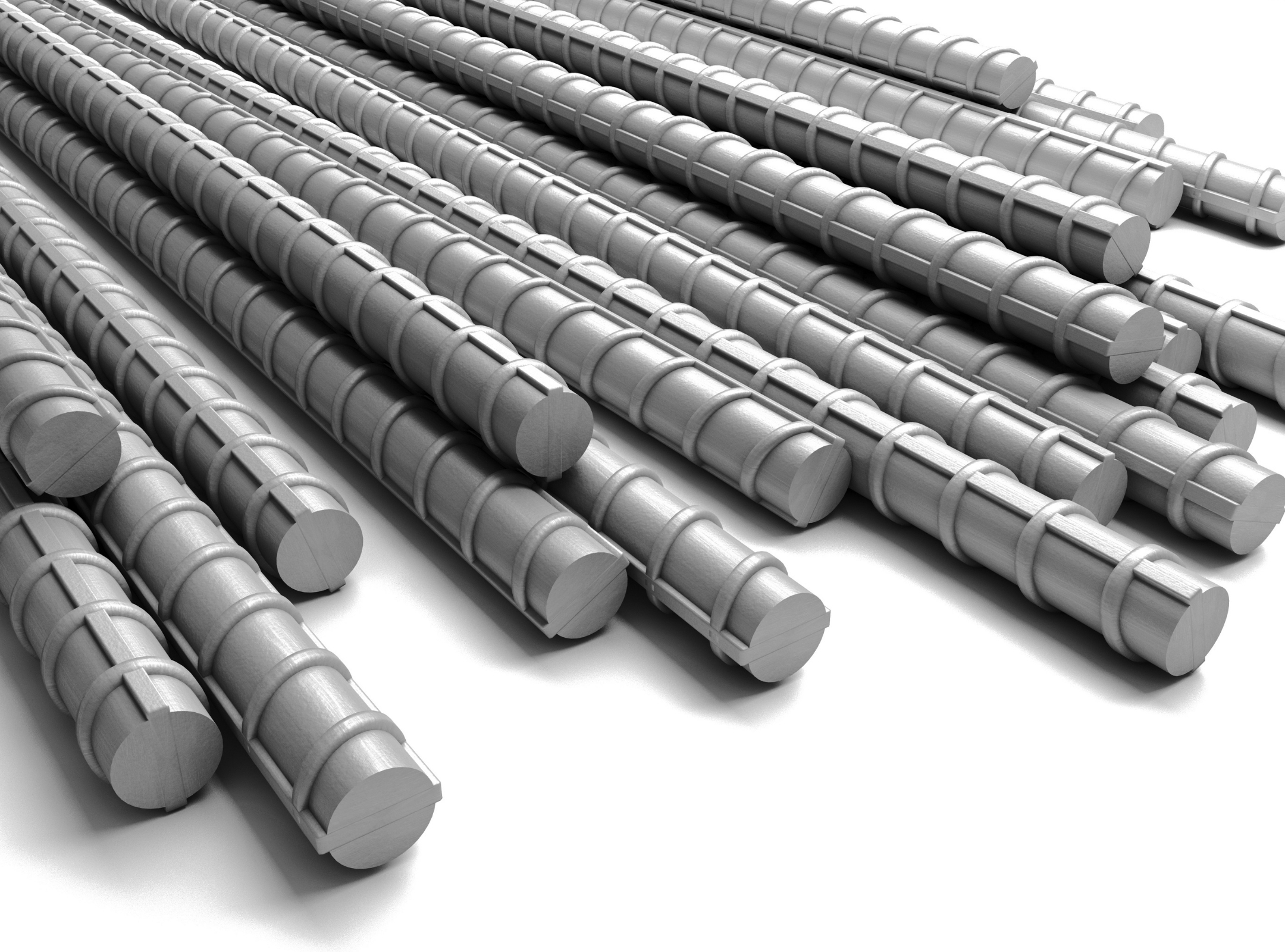
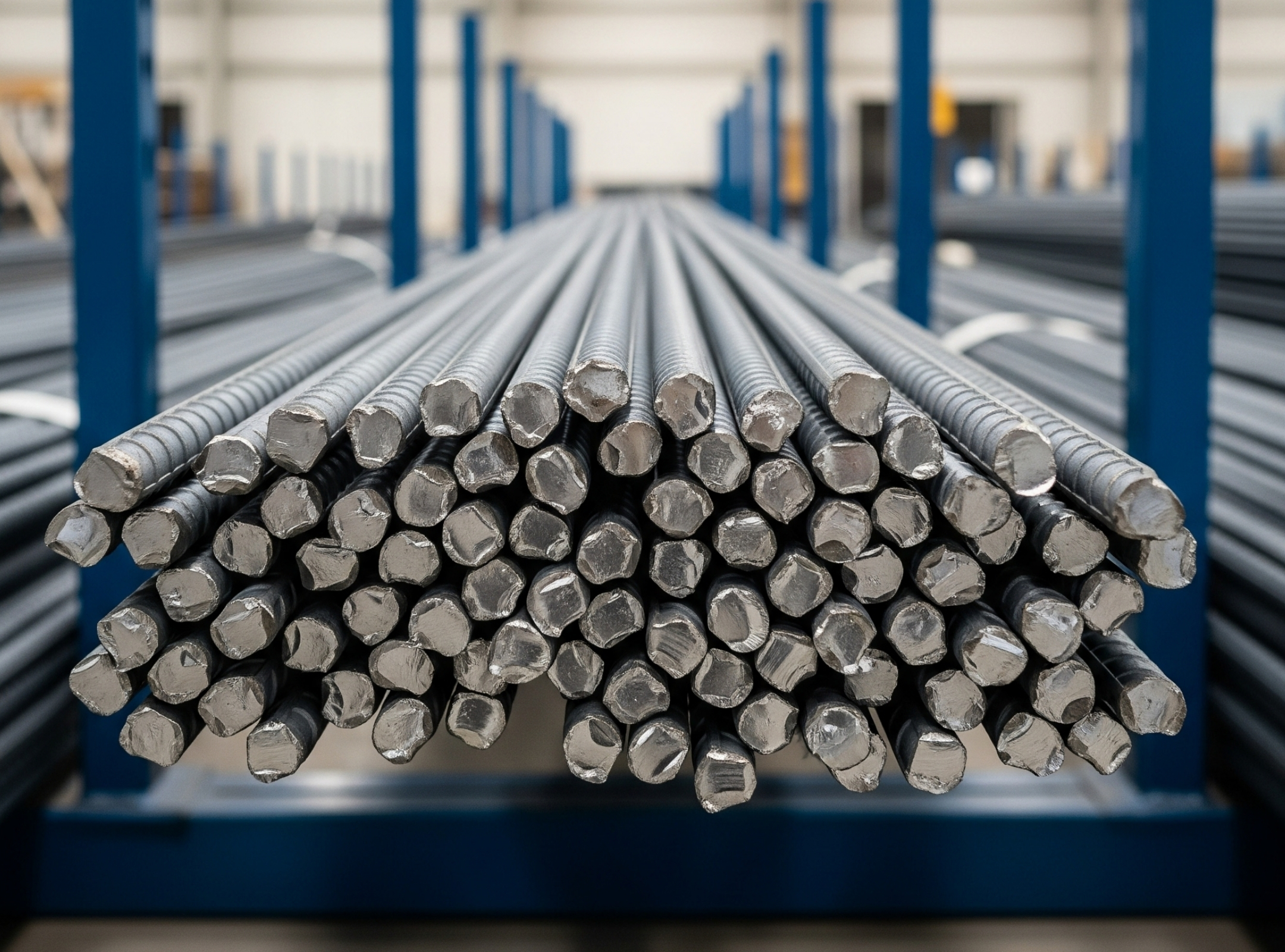
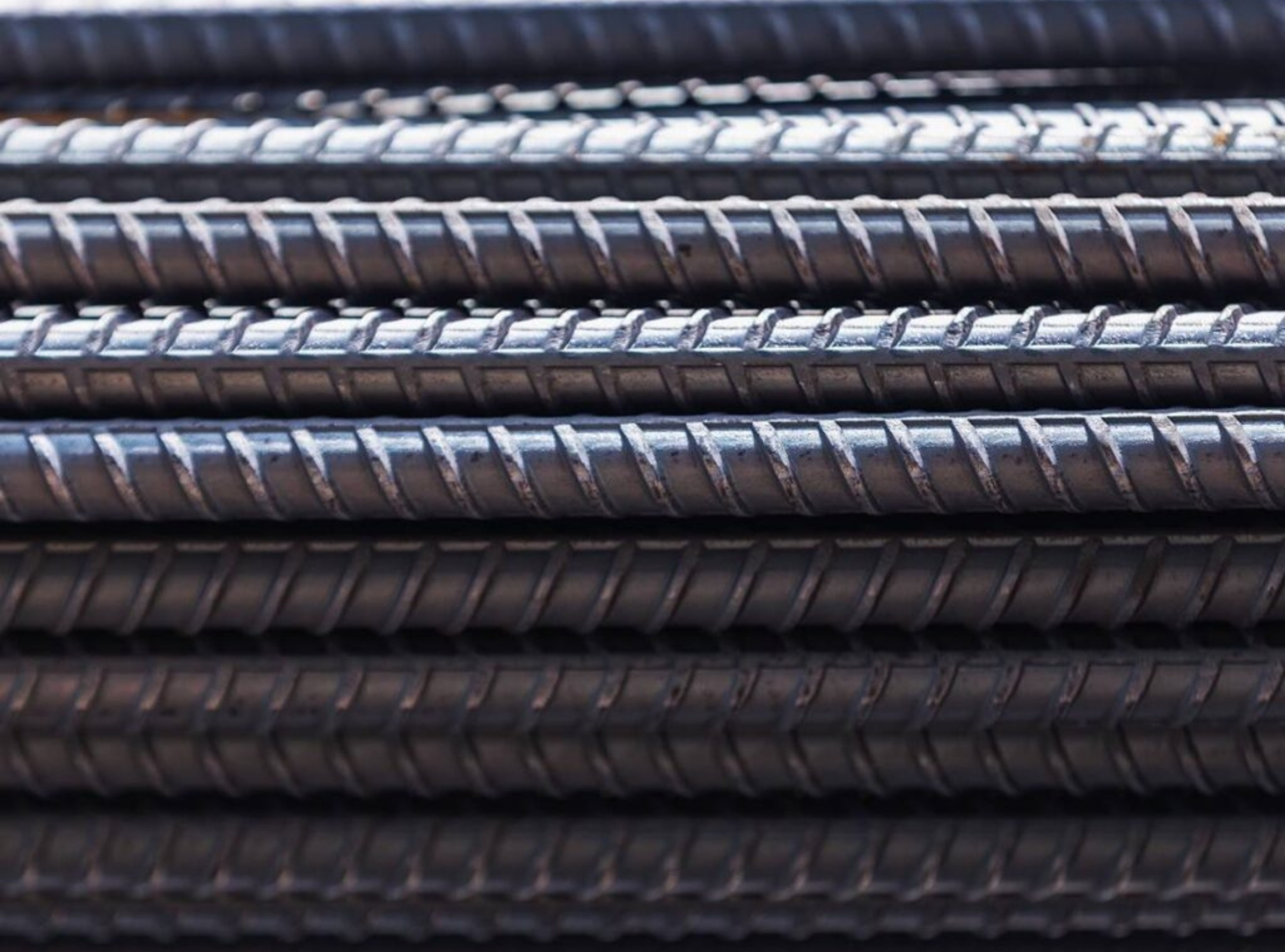
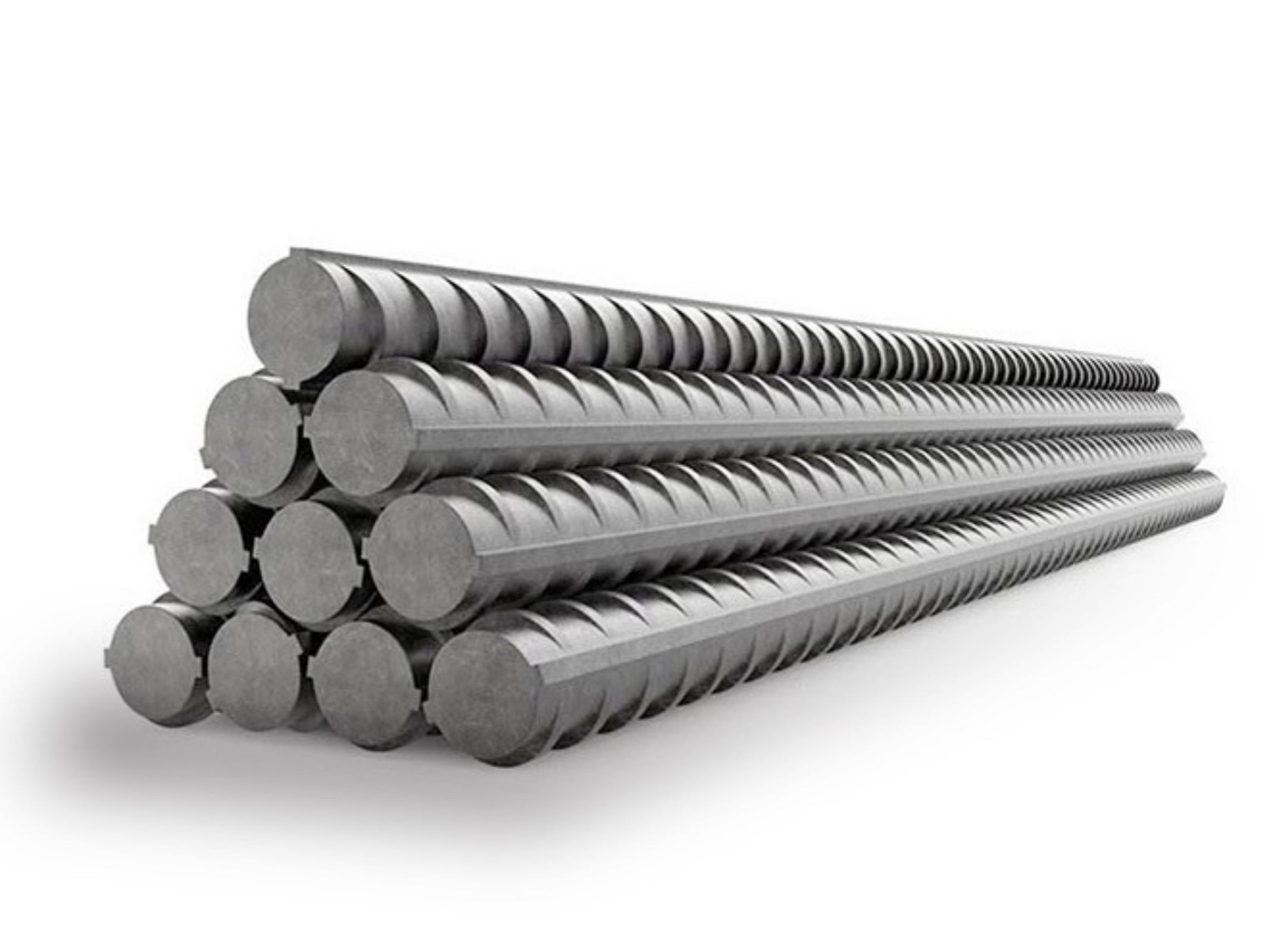
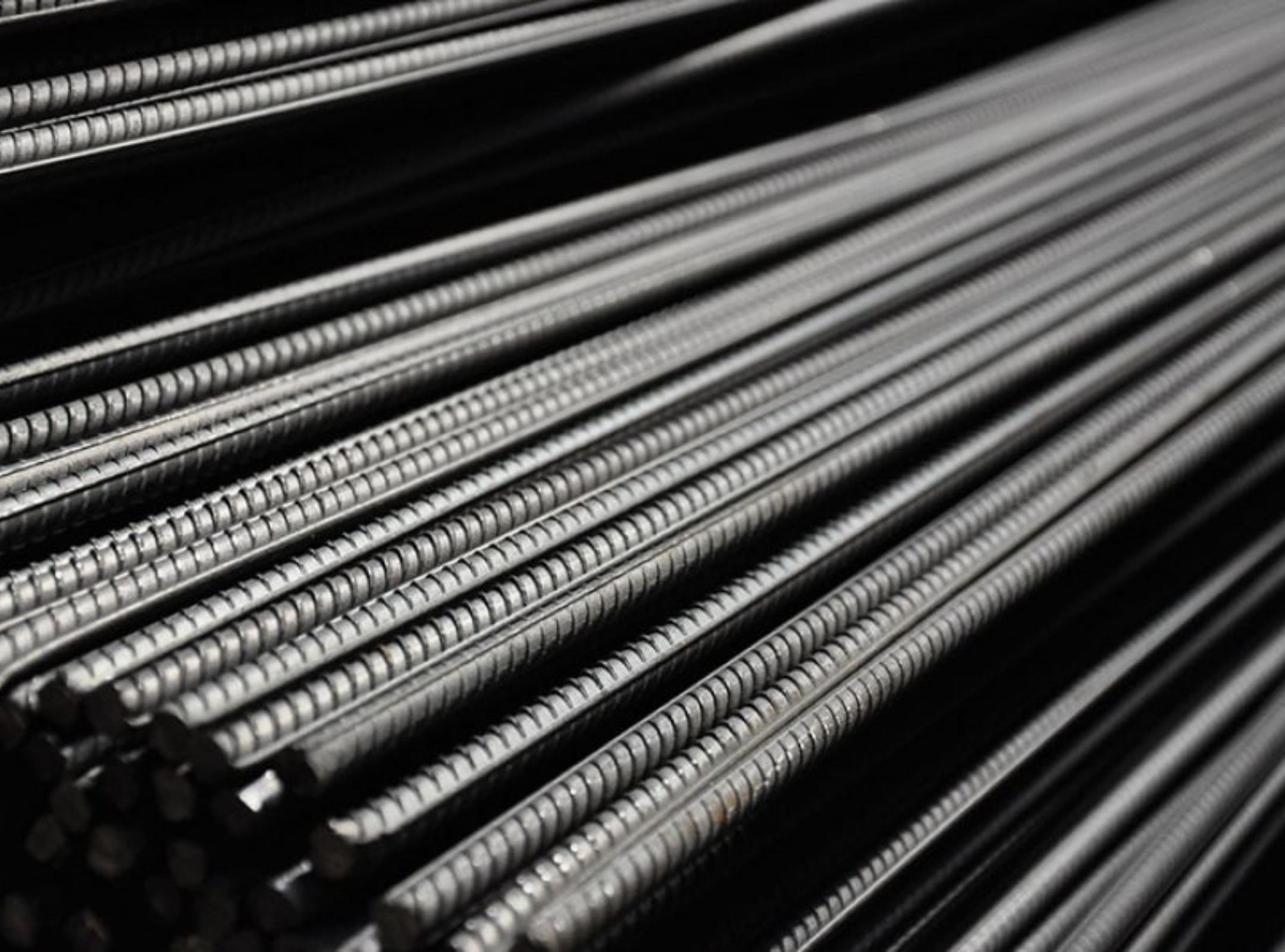
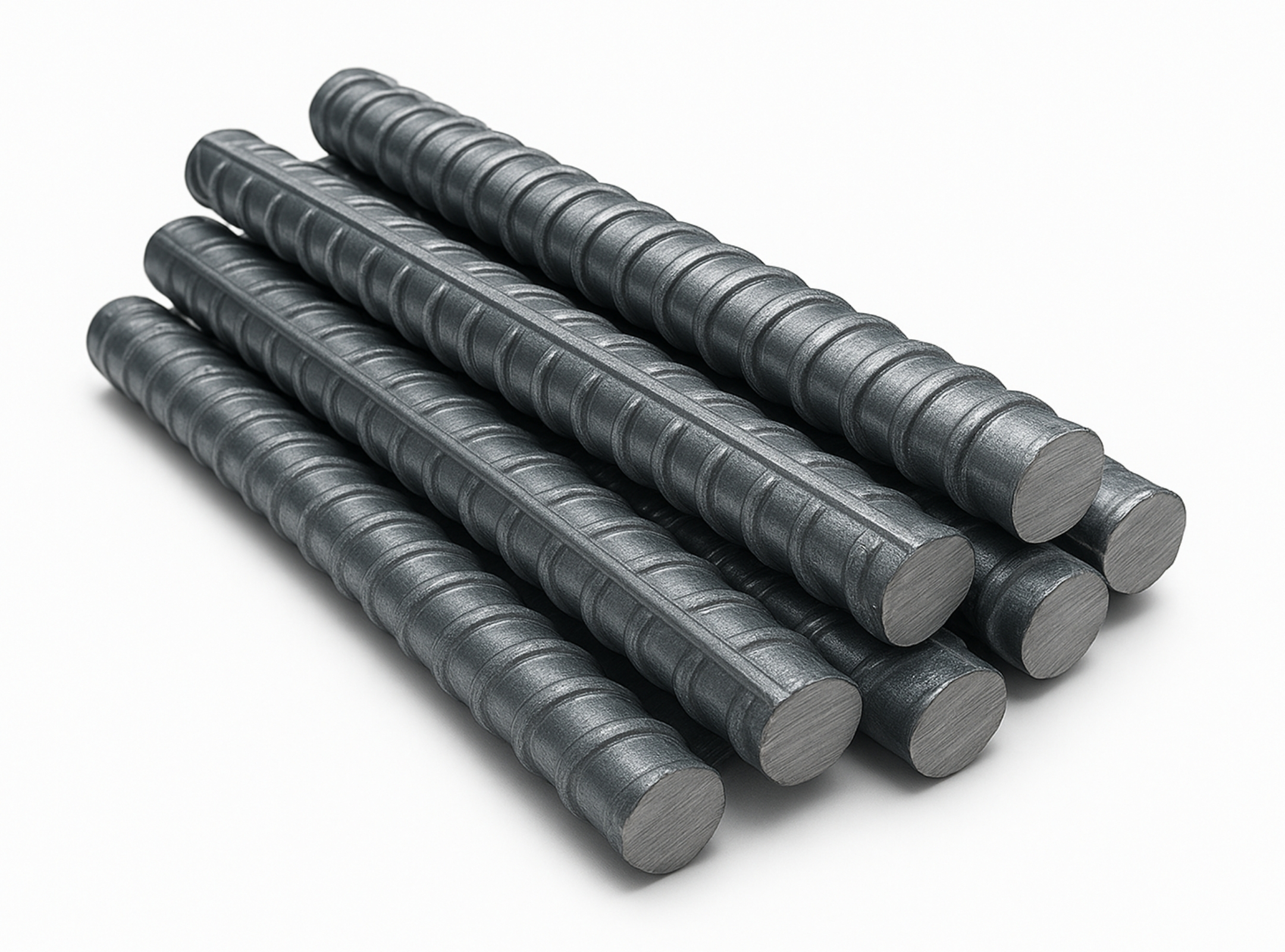
Rebar (Deformed Reinforcing Steel): Used to increase structural strength and seismic resistance, reinforcing steel is produced from low-carbon steel to resist tensile forces in concrete structures. The rebars used in reinforced concrete, thanks to the ribs (deformed surface) on their surface, provide maximum bonding (anchorage) with concrete and meet the static requirements of modern construction projects at the highest level.
Technical Features and Standards High Bond Strength: The ribbed surface structure ensures that concrete firmly grips the steel, optimizing load transfer. This feature is especially critical for structural safety in regions where seismic movements are frequent.
Compliance with Standards: Our products are supplied in full compliance with Turkey's quality control standards TS 708 and international quality standards. Generally, B420C and B500C grade products are used to maintain the high ductility and strength values required for structural integrity.
Weldability and Workability: The controlled carbon content provides excellent weldability. It can be easily shaped during on-site bending and cutting operations without losing its structural properties.
Homogeneous Structure: Through advanced production technology, uniform tensile and yield strength are ensured at every point of the steel. This minimizes the margin of error in structural calculations
| PARAMETERS | ||
|---|---|---|
|
PARAMETER |
DETAILS |
|
|
Steel Grade |
B420C/ B500C (Seismic Resistance) |
|
|
Standard |
TS 708/ DIN 488 |
|
|
Diameter Range |
All sizes between Q8 mm – Q32 mm |
|
|
Standard Length |
12 meters (custom length production available) |
|
|
Surface Type |
Deformed (Hot Rolled) |
|
|
Chemical Composition |
Low carbon, high ductility |
|